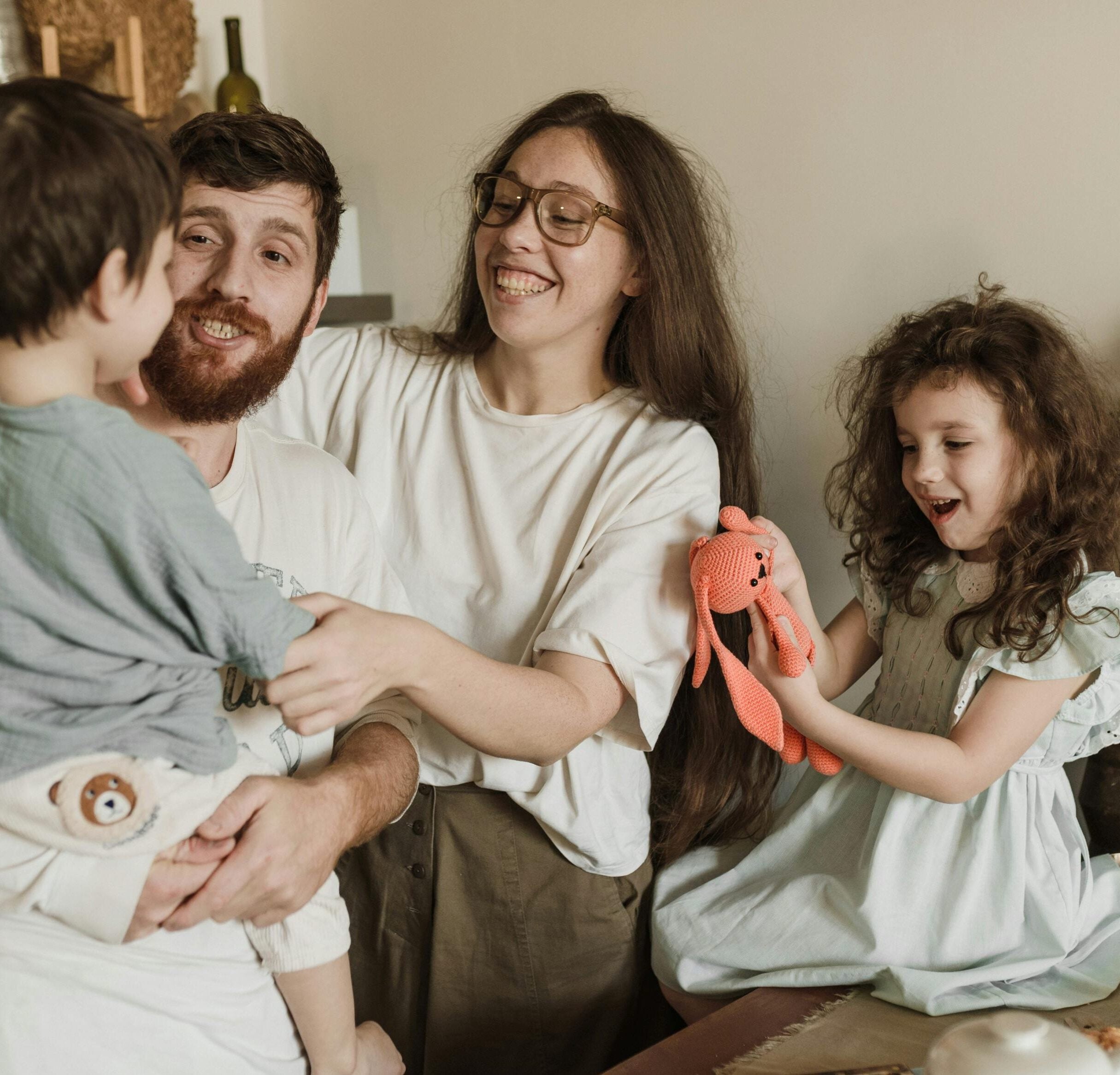
Trusted companionship and everyday support for older adults
Senior care focuses on human connection and practical, non-medical help. It’s about making daily life easier, safer, and more social while helping seniors stay independent in their own homes.
Available in 2 months
Senior care focuses on human connection and practical, non-medical help. It’s about making daily life easier, safer, and more social while helping seniors stay independent in their own homes.
Available in 2 months
Senior care is light, non-medical support for older adults who want help with everyday tasks and companionship.
This type of care is not nursing or medical care. Instead, it focuses on presence, support, and quality of life.
Senior care can include:
What senior care does NOT include:
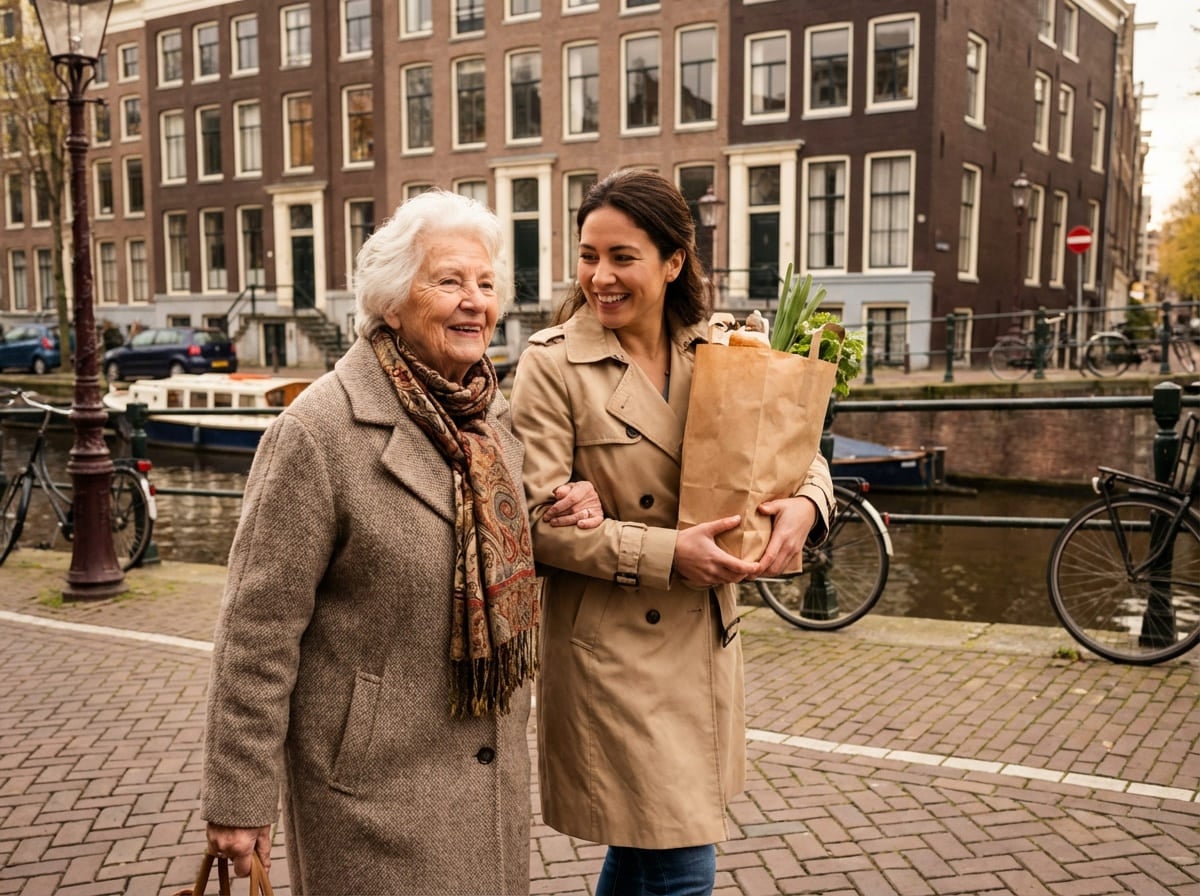
Senior care is suitable for:
Senior care can be short-term (a few hours a week) or ongoing (up to 12-24 months), depending on needs and local regulations.



Senior caregivers on our platform provide light, everyday support and companionship.
Typical caregivers include:
No formal qualification is required for light senior care, but experience and training are always a plus.
If you are hosting or employing a senior caregiver, you’ll need:
Our platform helps match you with caregivers who meet your needs and understand the scope of senior care.
To offer senior care through our platform, caregivers must:
Helpful but optional:
Most candidates are 18–30 years old (sometimes 17–26, depending on the country). EU/EEA candidates can usually travel freely within Europe, while non-EU candidates require a visa or residence permit. Requirements often include a valid passport, a signed contract, health insurance, and sometimes proof of language skills or funds.
Senior caregivers receive pocket money as part of the cultural exchange, not a wage. Depending on the country, the average is about €600 per month, but differs depending on the country. In all cases, the family also provides free accommodation and meals.
The standard arrangement varies by country, but it usually amounts to 25–35 hours per week, up to 6 hours per day. Candidates must have at least 1-2 full days off per week and time to explore, study, or engage in social activities. For longer placements, 2–4 weeks of paid holiday per year is expected.
Speaking the local language is an advantage for Senior caregivers, but it is not always required. In most countries, having at least a basic knowledge of English is sufficient to communicate and manage daily tasks.