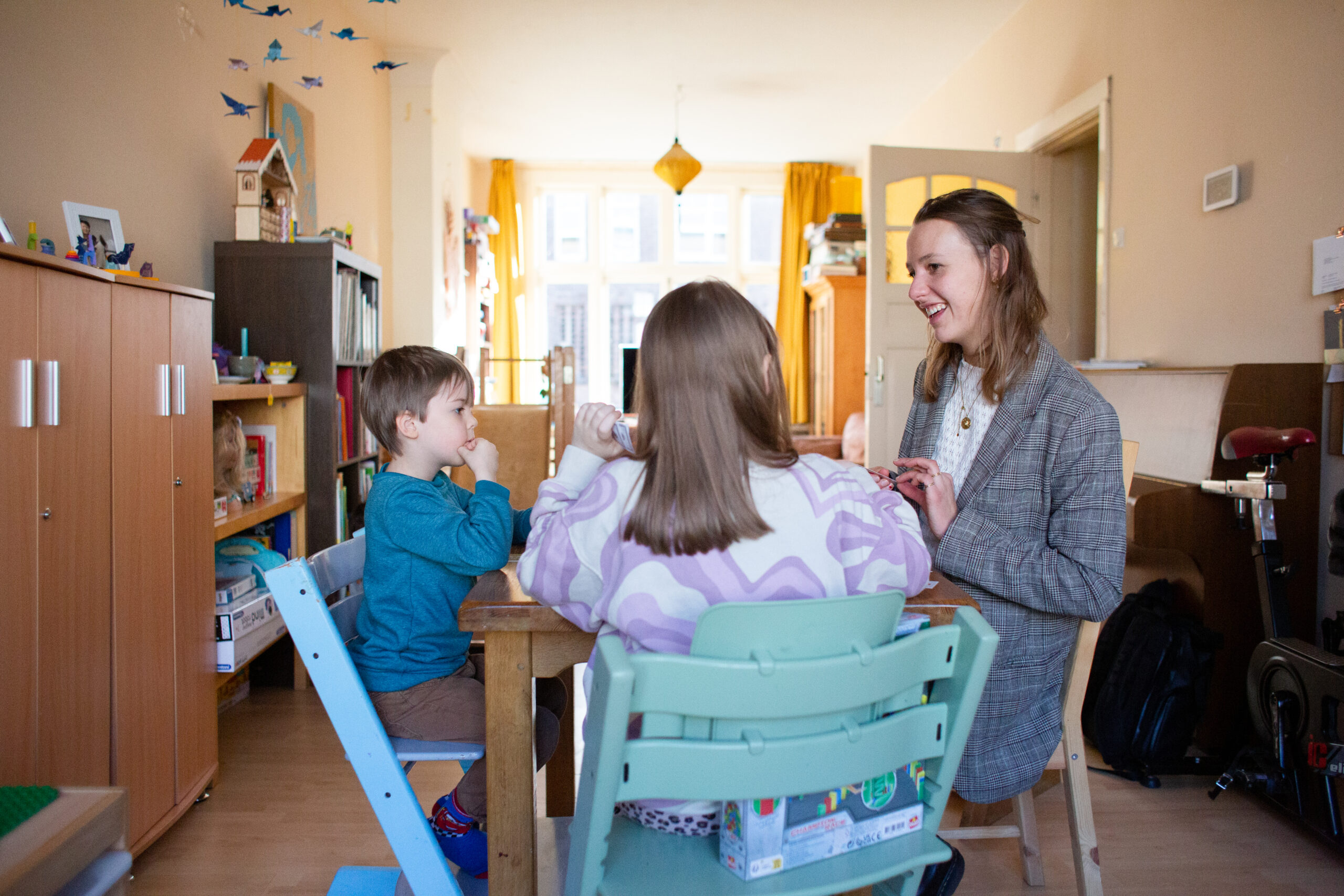


European au pairs 🌟

"I wish we would have known about this sooner: Anna does the School runs and pick-ups and she cooks healthy for the kids."

"We will for the coming years use this childcare method. We loved the au pair and how she played outside, and just made us feel much more free."

"The team is very professional and always ready to help with any questions. Karen our agent has been very pro-active and just lovely."

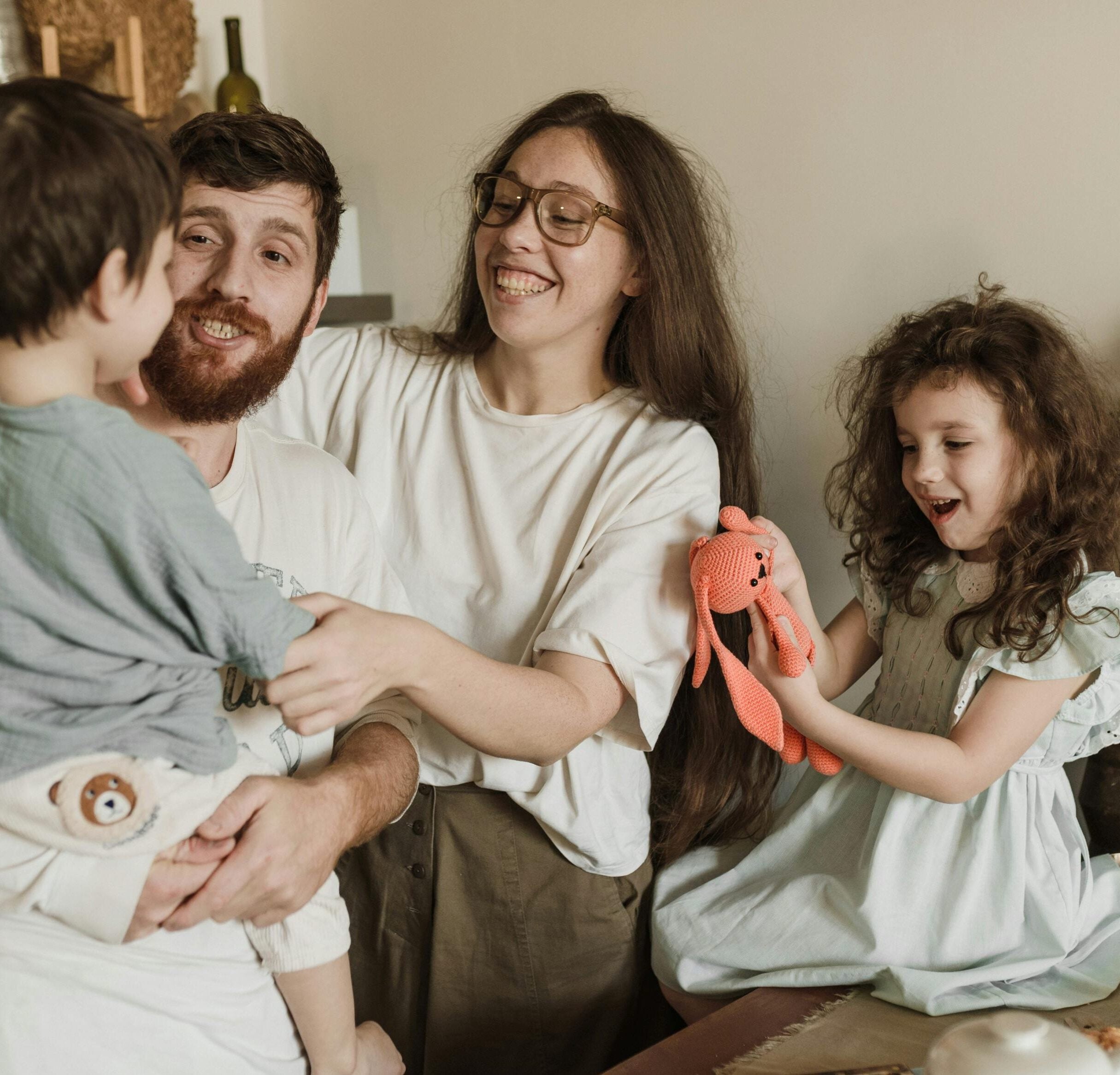
"An extra pair of hands is exactly what we needed. Karina our now 3rd au pair relieves so much and makes life and tbh, having kids, fun again."

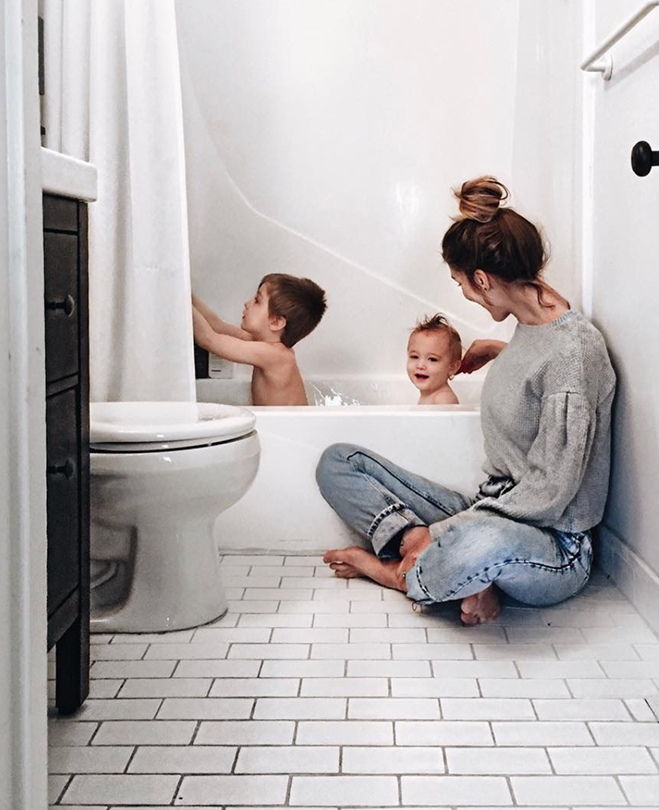
Working parents are always short on time. An au pair can help up to 20 hours per week, giving you more peace of mind and real quality time. They help with the kids, tidying up, cooking, school runs, etc.
More than 3,000 families chose an au pair through Nina.care: less stress, more structure, and children who learn English or Spanish along the way. Many have a driver’s license and specific experience with newborns. 👉 In many cases, your au pair can start within 2 months.
Curious? Take the test below👇
Answer 3 quick questions and discover if it’s the smart solution for your family.


Hosting an au pair in Belgium usually costs around €520 per month, including €450 in pocket money, plus free room and board. Families may also pay for health/accident insurance and contribute to language course fees, as au pairs are expected to attend classes.
An au pair in Belgium helps with childcare (taking children to school, babysitting, playing, helping with homework) and light household duties (tidying children’s rooms, preparing simple meals, laundry for the kids). Heavy cleaning, gardening, or professional-level childcare is not permitted.
Au pairs in Belgium may work a maximum of 20 hours per week, and no more than 4 hours per day. They must have at least one full day off per week and time to attend mandatory language courses. Paid holidays are usually included if the stay is longer-term.
A formal au pair contract is required in Belgium. It must be approved by the Belgian authorities (Office for Foreigners) and defines duties, hours, pocket money, holidays, and integration requirements.
Most Belgian host families work through registered agencies since the process involves paperwork with immigration authorities. Online platforms may also be used, but agencies help ensure compliance with strict Belgian rules.
If issues arise, the first step is open discussion between family and au pair. If things don’t improve, either party may end the contract with notice. Because contracts are government-approved, families may need to inform local authorities if the placement ends early.
Au pairs in Belgium are treated as family members and not employees. They are expected to share daily life with the family, join meals, and take part in cultural exchange. Language learning is central: au pairs improve their Dutch, French, or German while exposing children to their own culture and language.
Set clear house rules from the start
Your au pair will be caring for your children while also becoming part of your household. Clear house rules help avoid misunderstandings and make expectations clear from the beginning, especially when you come from different cultural backgrounds.
Explore our House Rules guide and download the template to create a shared reference with your au pair. It covers topics such as guests, phone and internet use, schedules, household responsibilities, vacations, and the family car.

 AI Assistant
Pocket money, visa questions, country related info - we’ve got you.
After trying daycares and nannies without finding the right match, May’s family discovered the au pair option – and never looked back. It brought them the flexibility, trust, and connection they were searching for.
Total per month: €520 p/m






Did you know that there are three official languages in Belgium? That’s right, in the heart of Europe, there is a country where you can speak French, Dutch, and German depending on the region.
It is no surprise that Belgium has such a multicultural vibe.


Request your free brochure now and we’ll send it directly to your email.